
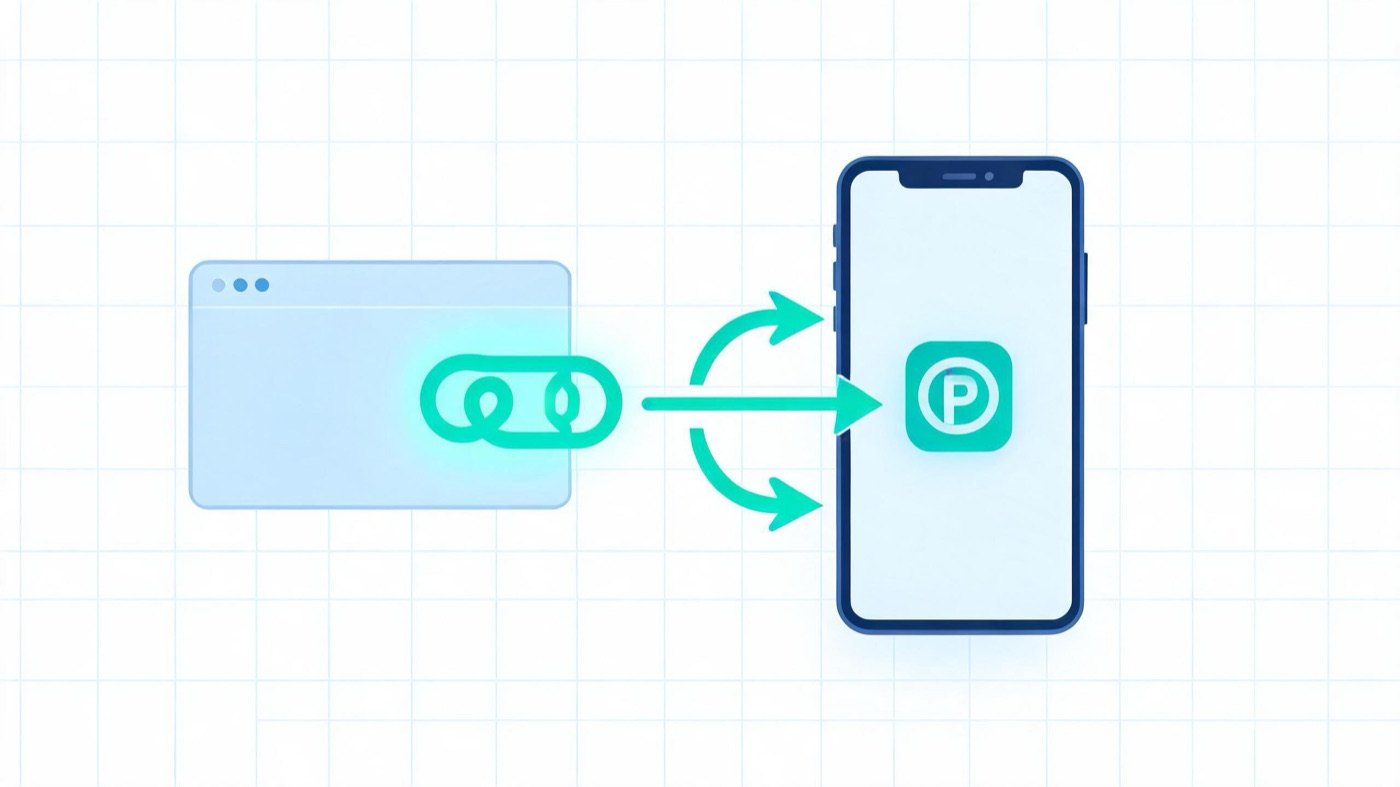
PWA Funnel Optimization: 7 Levers That Move Install and CVR (2026)
 Kenji WatanabePublished on November 3, 2026 · in PWA Insights
What PWA funnel optimization means
PWA funnel optimization is the work of measuring and improving every step from first web hit to installable Progressive Web App engagement—and back into paid acquisition systems. Unlike a classic site funnel that ends at a form submit, a PWA funnel spans discovery, install prompt, offline/re-open sessions, and (when you use it) web-to-app handoff.
Teams usually optimize four layers:
- Acquisition — ad / SEO / social traffic quality onto the PWA URL
- Activation — time-to-interactive, installability cues, first meaningful action
- Retention — re-engagement via push, shortcuts, and home-screen return visits
- Monetization / lead — checkout, signup, or qualified event that ads can optimize toward
If you only watch bounce rate on the landing URL, you will miss install friction and post-install drop-offs that decide ROAS.
Map the funnel before you touch creative
Sketch the actual path users take on mobile Chrome / Safari:
- Click → first contentful paint on the PWA origin
- Engage → scroll, click primary CTA, start signup / add-to-cart
- Installability moment — beforeinstallprompt, iOS Add to Home Screen instruction, or Smart Banner
- Installed session — standalone display mode, shortcut open, or push-driven return
- Conversion — purchase, lead, trial start, or content consume threshold
Label each step with one owner metric (LCP, CTA CTR, install rate, D1 return, CVR). PWA funnel optimization fails when “install rate” is the only KPI and acquisition quality is ignored.
Related reading on ROIBest: PWA Landing Page: Structure, Install Flow, and What to Measure, PWA for Ecommerce, and PWA Manifest Requirements.
Instrumentation that makes optimization possible
Events you need in one property
page_viewwith UTM / gclid preservedcta_click(named by placement)install_prompt_shown/install_accepted/install_dismissed(where the browser exposes them)app_open_standalone(display-mode: standalone or related)- Downstream conversion events already used by Google Ads / Meta
Ship them through GTM or a thin first-party collector so marketing and product share IDs. Without install-related events, PWA funnel optimization collapses into generic CRO.
Segment by surface
Compare:
- Browser tab vs standalone
- First visit vs returning home-screen user
- Paid vs organic landing cohorts
A funnel that looks healthy in aggregate often hides paid traffic that never sees a reliable install prompt.
Levers that usually move the numbers
Speed and reliability
LCP and interaction delay kill both CTA rate and install acceptance. Prefer critical CSS, cache shells, and honest offline fallbacks. A pretty install banner on a 6-second LCP page is wasted spend.
Install UX that matches intent
- Trigger soft prompts after a signal of intent (2+ pageviews, add-to-cart, scroll depth)—not on first paint.
- On iOS, replace fake “Install” buttons with clear Add to Home Screen steps; spoofed prompts train users to ignore you.
- Keep the manifest name, icons, and start_url aligned with the campaign promise so the home-screen icon does not feel like a different product.
Continuity of campaign context
If paid traffic lands with gclid / UTM, persist those values through signup and, when you bridge to a store app, through deferred deep links. Otherwise PWA funnel optimization improves on-site CVR while paid platforms still learn on junk conversions.
Content and CTA hierarchy
One primary action above the fold; secondary education below. For product-led PWAs, “Open workspace” or “Start trial” usually beats a generic “Learn more.” Pair with internal guides such as PWA Payment Integration when checkout is the bottleneck.
A weekly review cadence
- Pull funnel counts by step and by channel for the last 7 / 28 days.
- Flag the largest relative drop (not only the largest absolute).
- Ship one change that targets that step (speed, copy, prompt timing, or tracking fix).
- Re-check install and conversion rates for the same cohort after enough volume—avoid declaring winners on one-day noise.
Document the hypothesis and result next to the keyword cluster so revise tasks later know what already failed.
Common failure modes
- Optimizing the install banner while the page fails Core Web Vitals
- Counting
beforeinstallpromptas success withoutinstall_accepted - Mixing tab sessions and standalone sessions in one CVR denominator
- Sending all traffic to a marketing domain that is not the PWA start_url origin
- Ignoring Safari / iOS share of traffic where install UX differs
Bottom line
PWA funnel optimization is CRO plus installability plus attribution hygiene. Map steps, instrument install and standalone opens, fix the worst drop first, and keep campaign parameters intact through the journey. Do that weekly and the PWA stops being a demo URL and starts behaving like a measurable acquisition surface.